
Why Not the Exemption
Historic properties are the heart of Provincetown, anchoring its identity, preserving its stories, and driving its economy. But preserving these properties isn’t just about maintaining their appearance, it’s about ensuring they can endure the challenges of the future. FEMA’s exemption for historic properties, which allows owners to bypass certain floodplain management standards, was created with good intentions. However, it often leads to decisions that save costs in the short term while creating greater risks and inequities over time.
At the Micro Neighborhood Alliance (MNA), we believe that preservation and resilience must go hand in hand. The decision to forgo compliance with FEMA standards, such as elevating a building, might save the cost of a lift today, but at what cost to the neighborhood, to equity, and to preservation itself?
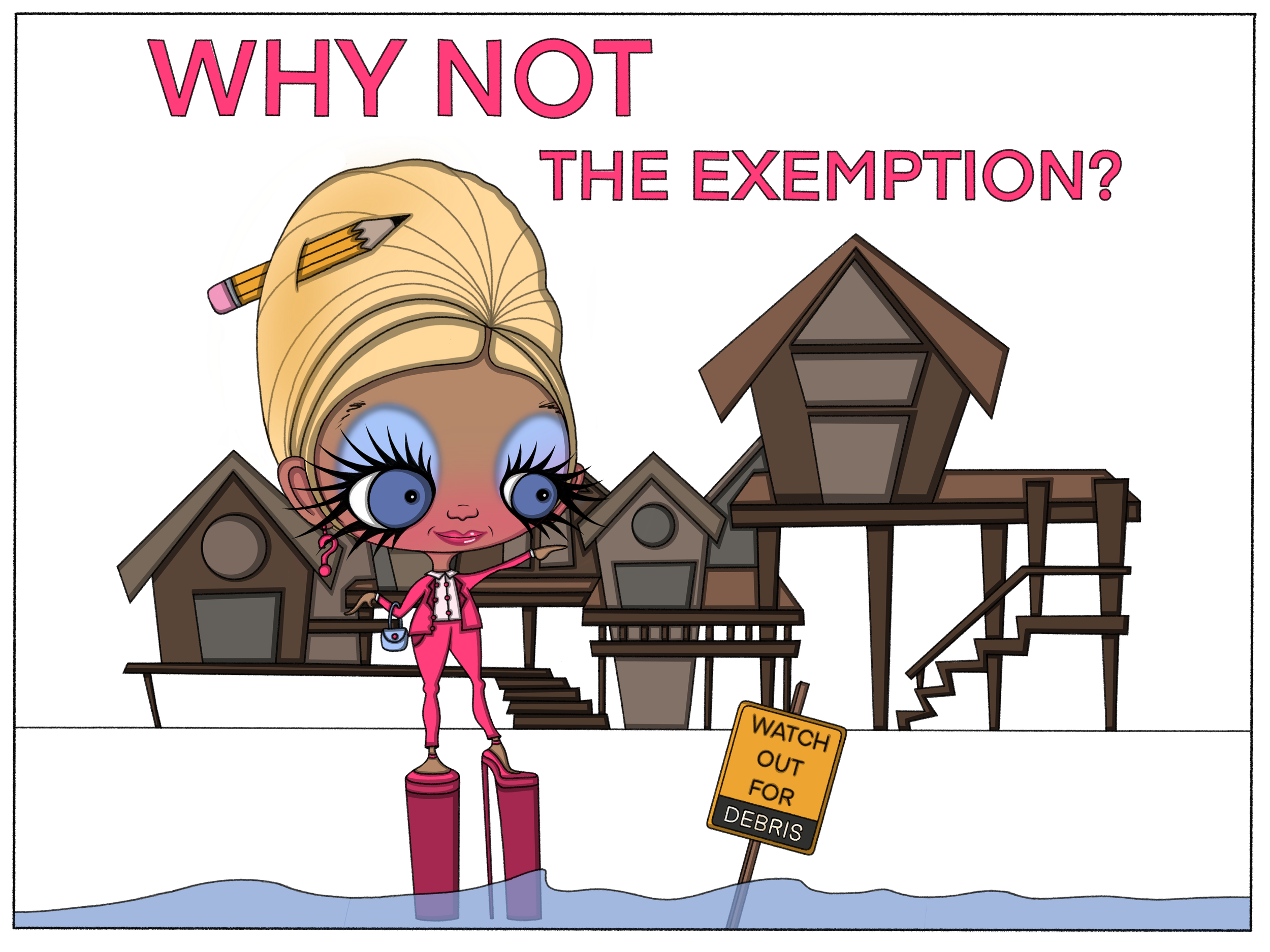
The FEMA Exemption: Saving Today, Paying Tomorrow
FEMA’s exemption allows historic properties to avoid certain floodplain management requirements, like elevating above the base flood elevation (BFE). This might seem like a way to preserve character and avoid the expense of a lift. However, avoiding elevation comes with significant trade-offs:
Higher flood insurance premiums: Properties that don’t meet FEMA standards are considered higher risk, leading to significantly more expensive flood insurance costs.
Mandatory flood insurance for mortgaged properties: Owners with federally backed mortgages must still carry flood insurance if their property is in a Special Flood Hazard Area (SFHA), and non-compliance drives premiums higher.
Greater vulnerability to flooding: Properties that remain at ground level are far more likely to sustain damage during storms, resulting in costly repairs.
Risks to neighbors and the broader community: A property that isn’t lifted increases the likelihood of storm debris and exacerbates flooding impacts on adjacent homes.
While the upfront savings from skipping a lift might seem appealing, the long-term costs—financial, environmental, and communal—are far greater.
The Ripple Effects of Non-Compliance
Buildings that remain at ground level are more likely to suffer extensive damage during storms. This damage often turns into debris—shingles, wood, and structural elements—that can harm neighboring properties, damage infrastructure, and create additional cleanup burdens. In Provincetown’s tightly packed neighborhoods, one vulnerable property can jeopardize many others.
Flood insurance rates aren’t just about individual properties—they also reflect the entire community’s efforts to reduce flood risk. Provincetown participates in FEMA’s Community Rating System (CRS), a program that rewards towns for proactive flood management. A good CRS rating secures discounted flood insurance premiums for all property owners. When properties don’t comply with floodplain standards, it can hurt the town’s CRS rating, reducing discounts for everyone. In other words, decisions made by individual property owners can have financial consequences for the entire community.
Part-time residents contribute to the town’s seasonal rhythm and cultural vibrancy. Provincetown’s recent designation as a seasonal community reflects this reality. At the same time, managing a community with both year-round and part-time residents requires shared effort and understanding. Decisions about property management—such as whether to elevate—affect not just individual homes but also the neighborhoods around them. By fostering collaboration among part timers and year rounders, we can ensure Provincetown remains safe, thriving, and welcoming for everyone who cherishes it.
True Preservation Requires Resilience
At the Micro Neighborhood Alliance, we believe that preservation and resilience aren’t opposing ideas, they are essential partners. To truly preserve Provincetown’s historic treasures, we must protect them against the threats of today and tomorrow.
Elevating a property isn’t just about compliance—it’s about survival. Thoughtful design and innovative techniques allow properties to be lifted while maintaining their historic character. Elevation reduces insurance costs, minimizes storm debris, and protects neighboring properties, creating benefits for the entire community.
Resilience shouldn’t be a privilege reserved for the wealthiest homeowners. By aligning preservation with FEMA compliance, we can ensure that all property owners—regardless of income—have the tools to protect their homes, their neighbors, and their town.
The Bigger Picture: Saving What Matters
The decision to forgo a lift might seem like a way to save money and preserve a property’s historic appearance. But at what cost? The financial, communal, and environmental costs of non-compliance often far outweigh the savings.
True preservation means looking beyond appearances. It’s about protecting the structures, stories, and communities that define Provincetown, ensuring they endure for generations to come. By embracing resilience as part of preservation, we can honor our past while securing a sustainable and equitable future.
Take the First Step Toward Resilience
If you or your neighbors are considering flood mitigation measures or want to learn more about why the exemption isn’t really an answer, MNA is here to help. Together, we can create a community that stands strong against the challenges of a changing climate.
Contact Us: (508)-237-3964
Email: info@microneighborhoodalliance.org